
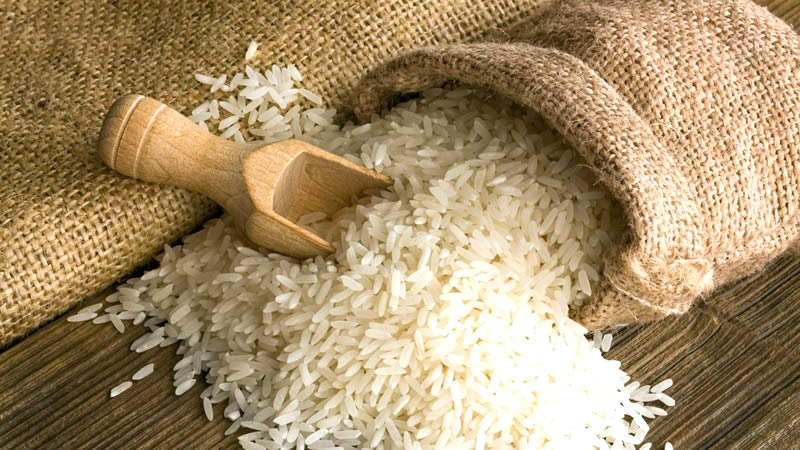
Rice in it’s natural form is gluten-free and is therefore a popular grain for people who have adopted a gluten-free lifestyle due to medical reasons or personal choice.
There is a vast number of varieties of rice based on characteristics such as length, width, colour, aroma, stickiness, genetics and even growing methods. In fact, there are well over 100 000 samples of rice held at The International Rice Genebank. However, for the average consumer rice can be broadly categorised as brown or white.
Brown rice has only the inedible hull removed and therefore retains a higher vitamin, mineral and fibre content in comparison to white rice from which the bran and germ is removed in a milling process. Brown rice has a more chewy texture and a nuttier flavour than white rice.
Rice flour has also become a popular gluten-free flour option for baking and cooking. Rice flour is made from finely ground raw brown or white rice.
Rice starch is a white powder also used in the food industry. It is different to rice flour in that it is an extraction from the rice as opposed to the grinding of the whole grain. Although new methods are becoming available rice starch is generally extracted by breaking down milled rice using sodium hydroxide to dissolve the rice protein and release the starch.
Rice can become contaminated by gluten if it is processed, milled or packaged in the same area or with the same equipment as wheat or other gluten-containing grains. This is referred to as cross-contamination. Rice can also become contaminated by gluten if it is used in pre-cooked, processed or convenience meals in which gluten has been utilised as a thickener, flavouring or forms part of other ingredients used in the meal such as processed meats or grains.
Always check the ingredients list on the food label.